瀏覽量0

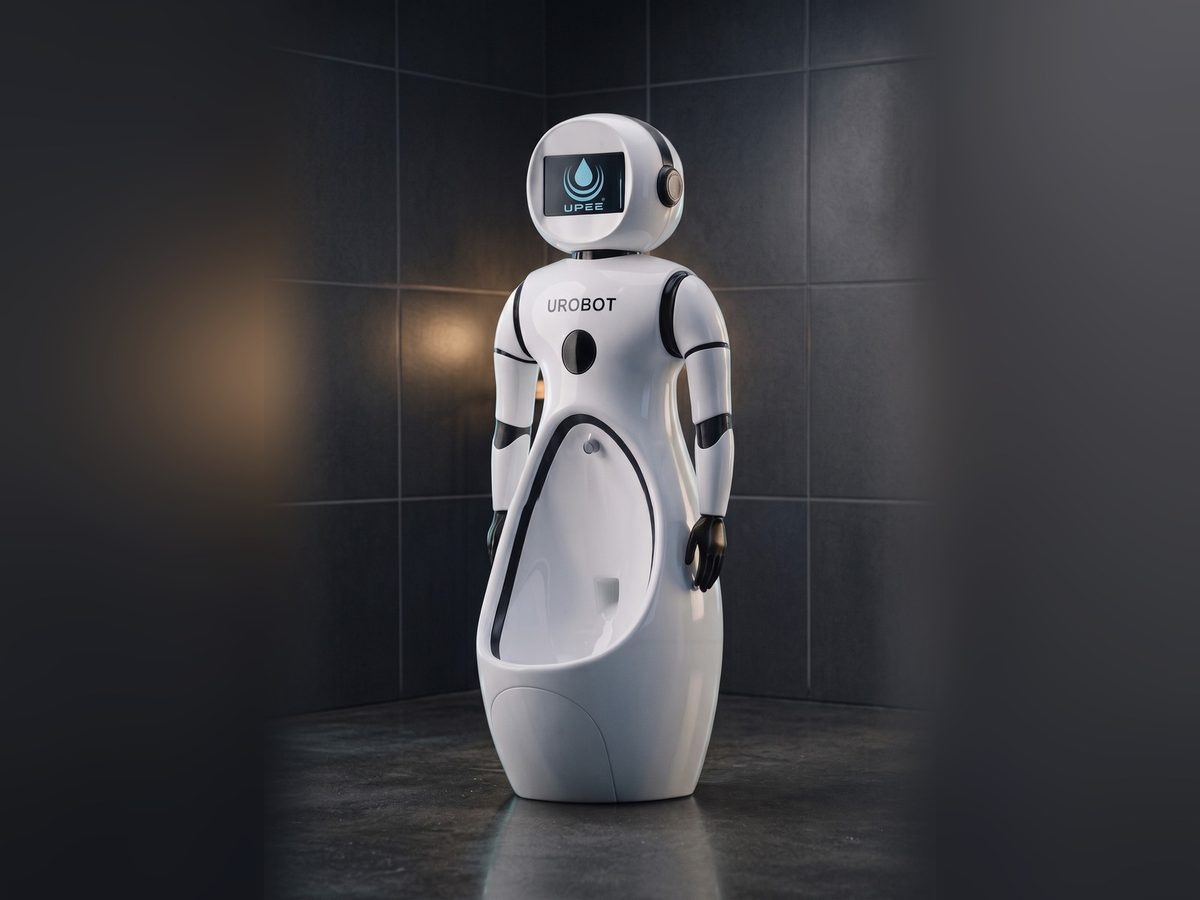
UROBOT-R002 站立式驗尿小便斗|實機外觀

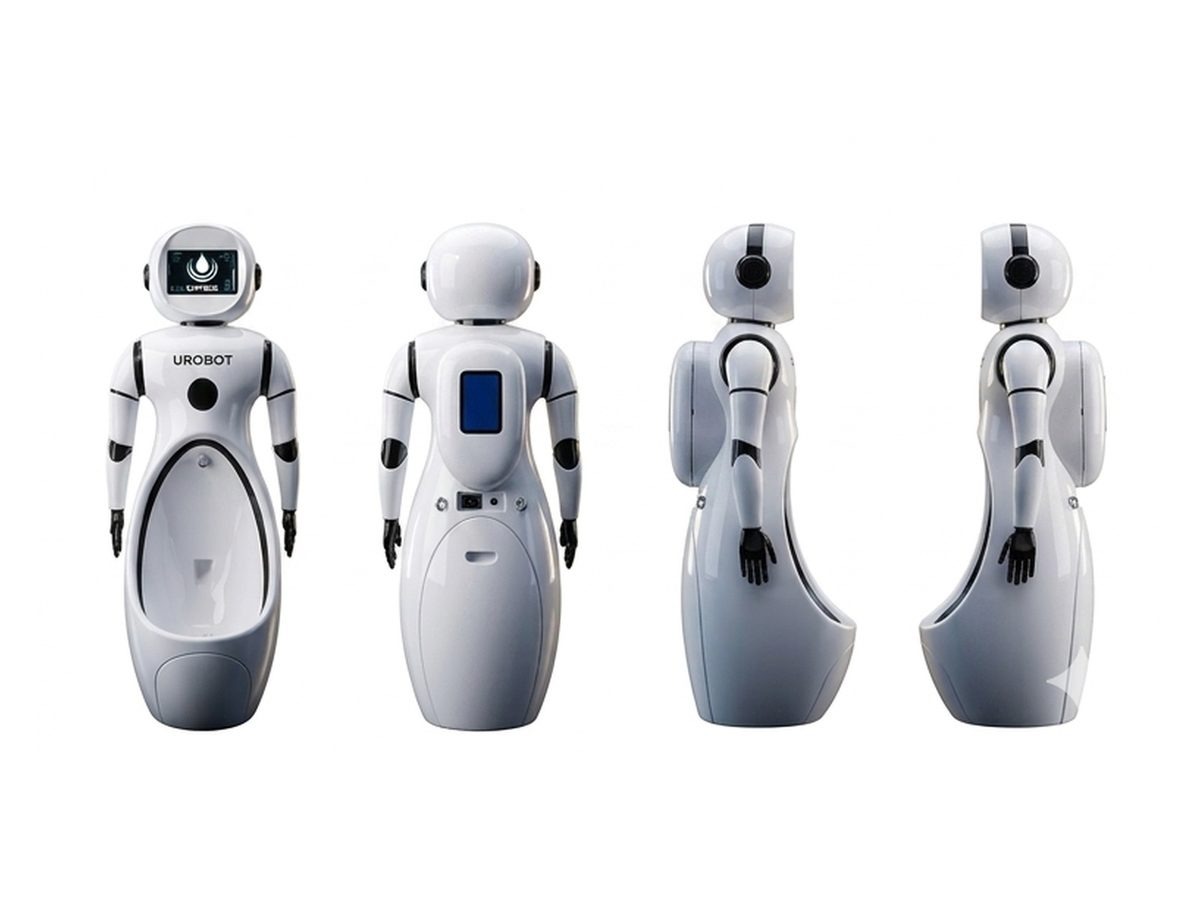
UROBOT-R002 產品四視圖|正面/背面/左右側

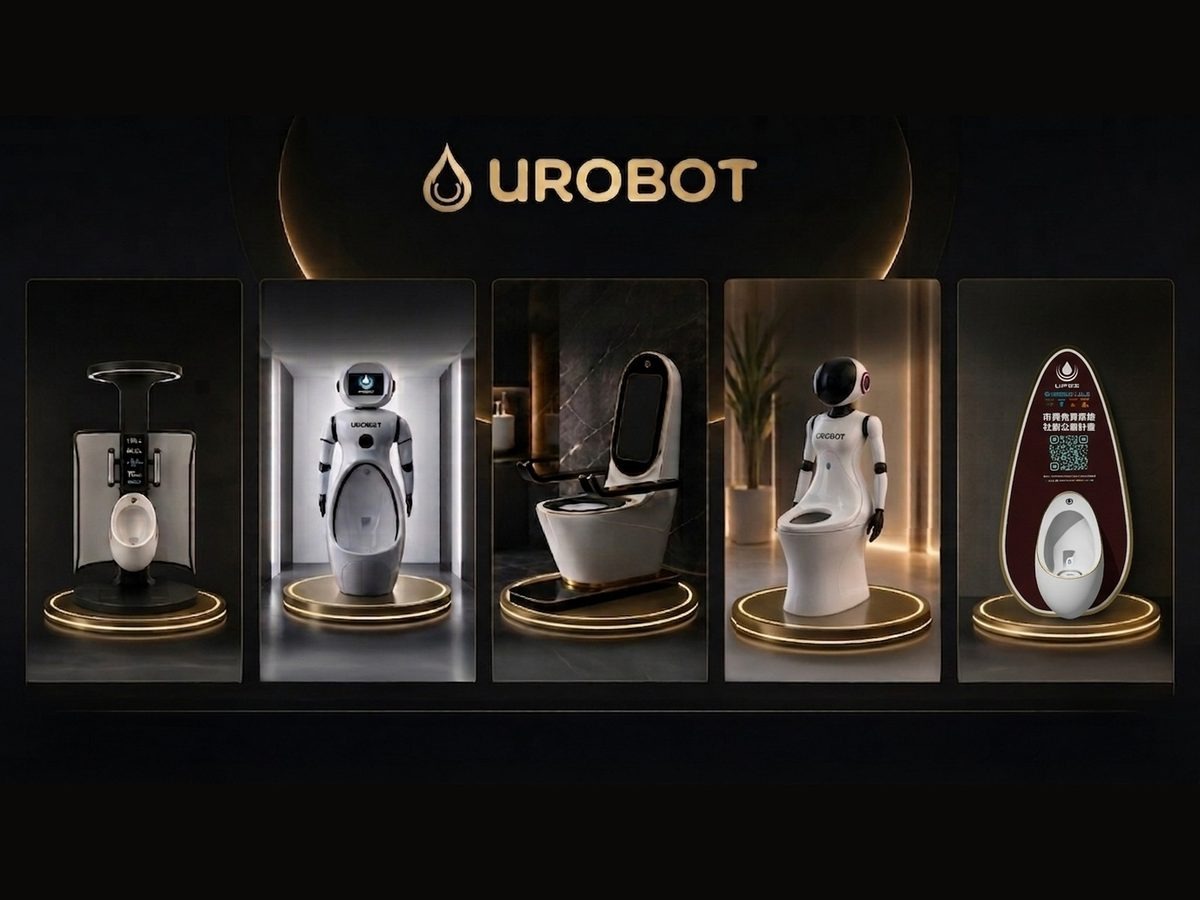
UROBOT 產品家族|R002 站立式驗尿小便斗為其中一款

Information

Background and the problem we address

Urine is the most accessible and least invasive health signal, yet urinalysis has long been tied to hospital laboratory workflows and staff. Chronic kidney disease, diabetes and lower urinary tract dysfunction are usually symptom-free in their early stages, so people do not seek testing on their own; and even when communities, public agencies or workplaces want to offer testing, they lack laboratory staff and consumables budgets to sustain it.

UROBOT places measurement in the spaces people already pass through. Using the urinal completes the measurement: sensors capture uroflow dynamics automatically, with no consumables and no operator, and results are returned instantly and accumulated over time. A venue can run it continuously without adding staff, becoming an extension point of the hospital so that health signals are seen before a person ever walks into one.

UROBOT-R003 (Uroflow Edition) is a standing smart urinal for public restrooms, community health stations, workplaces and residential communities. Users simply use the urinal as usual — no sample collection, no interface to operate. Immediately afterwards the screen shows a uroflow curve and a uroflow-dynamics report; scanning the on-screen QR code opens the result on the user's phone — no app, no account, no phone number.

Testing is consumable-free and contact-free: the 16 uroflow dynamics parameters are measured directly by built-in sensors, with no test strips and no collection container, and no contact between the user and the device, so there is nothing for the venue to restock or replace. Venue operators receive only aggregated statistics that cannot be traced to individuals (a health-trend dashboard) for public-health planning; no individual result is visible to them.

The device holds a Taiwan FDA Class I medical device licence (No. 衛部醫器製壹字第010471號) and is positioned as a measurement device that outputs uroflowmetry and urine-composition values — an early reference indicator for common men's health issues such as benign prostatic hyperplasia and lower urinary tract symptoms (LUTS), suitable for health-bureau stations, community sites, workplaces and public venues.

Current deployment and actual use

The first site is a men's public toilet at the Linsen Office of the Tainan City Public Health Bureau. The venue opened in February 2025 and uroflowmetry measurement has been accumulating since March 2025, with over 3,000 uses by August 2026 (3,015 uses over 514 operating days to 29 July 2026). The authority provides venue, utilities and cleaning from existing staff at no new public cost; the device and back-end system are provided by the company.

Who turns up: 302 users (9.9%) voluntarily scanned the on-screen QR code and entered age, residence, height and weight. Of those, 71.2% were aged 50 or under, against 21.1% under 50 in the national health-insurance claims profile for lower urinary tract symptoms. Placing measurement on an everyday route reaches people who would not otherwise present for this.

Distribution of results: among 221 interpretable records with voided volume ≥150 mL, maximum flow fell below the conventional 15 mL/s referral threshold in 41–47% of men in every age band (44.0% among those aged 50 or under; 20.1% below 10 mL/s). This is not a disease prevalence figure. The 15 mL/s threshold is intended for symptomatic men tested in a clinic; single uncontrolled measurements in an unselected population inevitably yield high rates of deviation. The service provides an objective, trackable reference value and advises seeing a physician; the on-screen report offers no diagnosis.

Follow-up: the station is fully anonymous (no app, no account, no phone number). That is what made this volume possible, but it also means individual follow-up cannot be established — a known limitation. Around nine tenths of users did not complete the form, showing that taking out a phone to scan is itself a second barrier; the host authority has proposed a thermal printer, and the next device generation will lower that barrier with a paper report. Linking to subsequent clinical outcomes would require a partner holding those health records, such as the public health bureau.

These 17 months of operation have been accepted as a scientific poster for the Geneva Health Forum 2026 (10–12 November 2026, Campus Biotech, Geneva) and published open access under CC BY 4.0, DOI: 10.5281/zenodo.23039887. The full poster can be downloaded directly (PDF, 42 × 75 cm, English): Download the GHF 2026 poster. The second station (Linkou social housing, New Taipei City) is under construction and is scheduled to open in Q4 2026.
Specification

■ Form factor: floor-standing smart urinal with built-in touchscreen and QR-code report output
■ Measured parameters: 16 uroflow dynamics parameters - flow curve; Qmax, Qave, voided volume, voiding time, flow time, time to Qmax, acceleration, flow at 2 s, number of interruptions, intermittency, 2-second sliding peak (Qmax2s), rise time T1, fall time T3, fall slope, slope ratio, T1/T3
■ Workflow: urinate as usual - on-screen report immediately afterwards - scan the QR code to view or save it on the phone; no app, account or phone number required
■ Consumables: none. Uroflow dynamics are measured directly by built-in sensors, with no test strips or collection container and nothing to restock or replace; contact-free design
■ Data: individual results are shown only to the user; venues receive aggregated, non-identifiable statistics (UROBOT-D health-trend dashboard)
■ Regulatory: Taiwan FDA Class I medical device licence No. 衛部醫器製壹字第010471號, covering the UROBOT-R003 Uroflow Edition (16 uroflow dynamics parameters)
■ Other editions in the same series (not yet licensed as medical devices): Physical-Properties Edition (9 parameters: urine impact force UIF, temperature, TDS, conductivity, ORP, salinity, specific gravity, turbidity, colour); Dry-Chemistry Edition (14 parameters plus ACR); Pro Edition (uroflow + physical properties + dry chemistry, about 39 parameters in total)
■ Installation: water supply, drainage and 110 V power; wired or Wi-Fi network; fits a standard urinal position in a public restroom

Benefits

  • Zero on-site staff: runs unattended; no nursing or laboratory staff required — the venue only provides existing water, power and network.
  • Screening where people already go: no registration or appointment; the test is completed by using the restroom, reaching people who rarely visit a hospital.
  • Repeatable follow-up: users can return periodically; reports are saved via QR code, building a personal trend.
  • Low privacy and hygiene risk: no personal data retained, no consumables, contact-free; venues see aggregated statistics only, reducing compliance and management burden.
  • Public record: a GFUSIP free urinalysis station has operated continuously at a public-sector venue since February 2025 and is listed on the official World Kidney Day and IDF World Diabetes Day activity pages.
  • Flexible adoption: equipment rental or sponsorship models; free for the public at GFUSIP partner venues.

Current deployment and use

The first GFUSIP (Global Free Urine Screening Initiative Project) station, at the Tainan City Government Public Health Bureau, has run continuously and free of charge to the public since February 2025. The second station (Linkou social housing, New Taipei City) is under construction and scheduled to open in Q4 2026.
Users keep their personal report via QR code and may return to the station to re-measure and compare trends themselves; the venue receives non-identifiable aggregate statistics through the UROBOT-D health-trend dashboard for public-health planning. Follow-up and statistics on Tainan station results are handled under the partner agency's own procedures; the company does not disclose individual health statistics.

Business Partners

Linkou Startup Terrace (Building B5), Small and Medium Enterprise and Startup Administration, Ministry of Economic Affairs
Listed on the official World Kidney Day (ISN) and IDF World Diabetes Day activity pages

Success Stories

Registered on the Social Innovation Platform of Taiwan's Ministry of Economic Affairs (ID: 883)
Taiwan FDA Class I medical device licence (No. 衛部醫器製壹字第010471號)
GFUSIP Tainan and Linkou stations listed on the official World Kidney Day and IDF World Diabetes Day activity pages
GFUSIP Tainan results accepted for poster presentation at Geneva Health Forum 2026
Fukuoka Prefecture GBM2025 and Aichi Prefecture AI×MedTech programmes (Japan)

Clients

Linkou social housing community, New Taipei City (second GFUSIP station, under construction, scheduled Q4 2026; to serve as the demonstration site after opening)

National/International Medical Device Legal Permit No.

Taiwan FDA Class I medical device licence No. 衛部醫器製壹字第010471號 | Licensed product name: 「優皮」全自動尿流儀(未滅菌)(Youpi Automated Uroflowmeter, non-sterile) | Applicable model: UROBOT-R003 Uroflow Edition (16 uroflow dynamics parameters)

Other Similar Solutions
Daikso Thyroid Ultrasound Imaging Markin
Daikso Cardiac Ultrasound Imaging Markin
Daikso Hip Joint Ultrasound Imaging Mark
Health Management and Care System: Creat
An Intelligent Online Neurodevelopmental
ACE Biotek-Eagle Park 100 Smart Ophthalm
Stress EEG Assessment System
DN100i Digital Dental Tablet System
DeepXray : Osteoporosis AI-Assisted Diag
DeepXray : Osteoarthritis AI-Assisted Di
BU-CAD Decision Support System
Ti-LUNG Decision Support